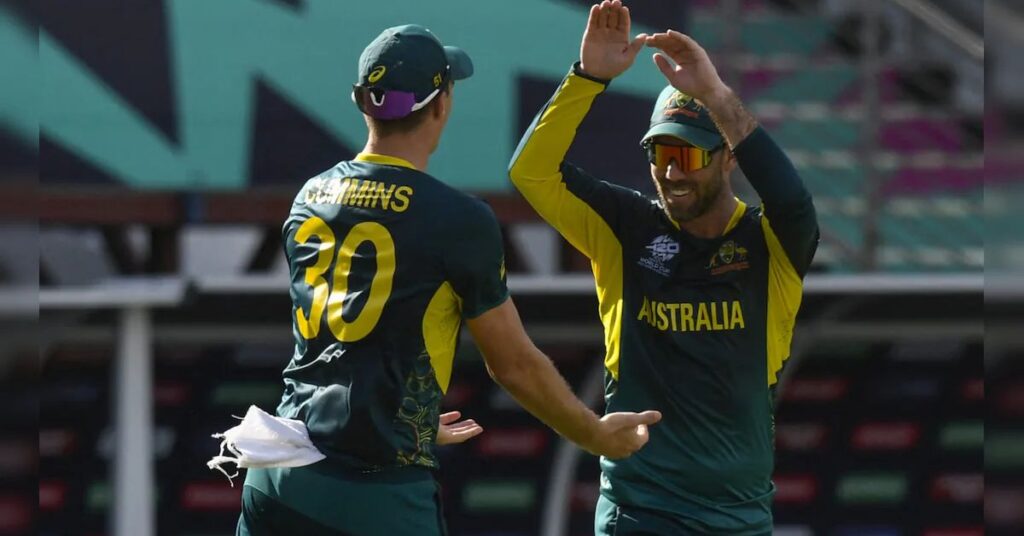

Australia have taken a clear, calculated, and long-term strategic call by resting several of their biggest match-winners — including Pat Cummins and Glenn Maxwell — for the upcoming T20I series against Pakistan, keeping the ICC Men’s T20 World Cup 2026 firmly in focus. While such decisions often spark debate among fans and pundits, this move underlines how modern international cricket prioritises player longevity, peak performance, and tournament readiness over bilateral results.
The three-match T20 series in Pakistan was expected to be a high-intensity rehearsal ahead of the World Cup. However, Australia’s selection decisions have shifted the narrative from immediate competition to future optimisation, giving fringe players valuable exposure while ensuring senior stars remain physically and mentally fresh for the global event.
Australia’s Selection Decision: A Signal of Intent
Resting players like Pat Cummins and Glenn Maxwell is not a casual choice. These are not fringe cricketers but pillars of Australia’s white-ball success. Their exclusion from the Pakistan T20 series sends a clear message: the World Cup is the priority, not the warm-up games.
Australia’s selectors and team management have increasingly embraced the philosophy that:
- Players should peak at ICC tournaments
- Bilateral series are opportunities for experimentation
- Long-term fitness outweighs short-term form
This approach has been refined over recent years as cricket calendars have become more congested.
Why Pat Cummins Is Being Rested
Pat Cummins’ absence from the Pakistan T20 series is one of the most talked-about decisions. As Australia’s premier fast bowler and a senior leader across formats, Cummins plays a crucial role in both strategy and execution.
The reasons behind his rest include:
- Workload management after a heavy multi-format schedule
- Ongoing monitoring of a lower back issue
- The need to keep him fresh for high-intensity World Cup matches
Fast bowlers are particularly vulnerable to fatigue and injury, and Australia have learned from past tournaments where overworked quicks broke down at critical moments.
Cummins’ Importance to Australia’s World Cup Plans
Pat Cummins is more than just a bowler. He is:
- A powerplay enforcer
- A death-over specialist
- A calm presence under pressure
In T20 World Cups, where margins are razor-thin, Australia cannot afford to lose Cummins to injury. Resting him now reduces that risk significantly.
Glenn Maxwell’s Rest: Tactical, Not Concerning
Glenn Maxwell’s omission has also raised eyebrows, especially given his value as a game-changing all-rounder. However, his rest is largely tactical rather than injury-driven.
Maxwell has:
- Played a high volume of cricket across formats
- Carried heavy responsibility in middle-order batting
- Bowled regularly as a part-time spinner
Resting him allows Australia to:
- Protect his body ahead of the World Cup
- Explore alternate middle-order combinations
- Reduce the risk of burnout
Maxwell remains central to Australia’s World Cup blueprint.
Maxwell’s Role in T20 World Cup 2026
In a World Cup setting, Glenn Maxwell offers:
- Instant acceleration with the bat
- Flexible batting positions
- Off-spin options against left-handers
Australia know his value peaks during high-pressure matches. Keeping him fresh for knockout stages is a calculated gamble — one that has worked for them in previous ICC tournaments.
Other Key Players Also Rested
Cummins and Maxwell are not alone. Australia have also rested or omitted several other senior players, including:
- Josh Hazlewood
- Tim David
- Nathan Ellis
Each of these decisions fits into the same philosophy: reduce workload, manage niggles, and preserve match-winners.
Josh Hazlewood, in particular, has dealt with recurring fitness concerns, while Tim David and Nathan Ellis have played back-to-back leagues and internationals.
Mitchell Marsh Leads a New-Look Squad
With several senior players unavailable, Mitchell Marsh has been handed leadership responsibility for the Pakistan T20 series. This provides Australia with an opportunity to test leadership depth ahead of the World Cup.
Marsh’s captaincy allows Australia to:
- Evaluate leadership alternatives
- Reduce pressure on regular captains
- Build a broader leadership group
In tournaments, strong leadership depth often proves decisive.
Opportunity Knocks for Fringe Players
One of the biggest advantages of resting senior players is the chance it gives to fringe and emerging talent. The Pakistan series becomes a proving ground rather than a must-win assignment.
Players included in the squad now have:
- A chance to earn World Cup selection
- An opportunity to experience subcontinental conditions
- A platform to showcase temperament under pressure
This depth-building exercise could pay dividends later.
Big Bash League Performers in Focus
Australia’s domestic structure, particularly the Big Bash League (BBL), has provided a steady pipeline of T20-ready players. Several BBL performers now get the chance to translate domestic form into international impact.
Selectors will closely assess:
- Adaptability to international bowling
- Decision-making under pressure
- Fielding intensity
Success in the Pakistan series could push some players closer to the World Cup squad.
Pakistan Tour: Tough Conditions, Valuable Lessons
Touring Pakistan presents unique challenges:
- Slower pitches
- Variable bounce
- Passionate crowds
Even without Cummins and Maxwell, Australia view this series as valuable preparation. For younger players, it offers exposure to conditions similar to those expected during the World Cup.
Why Australia Are Willing to Risk Results
Resting star players inevitably increases the risk of losing matches. However, Australia’s management appears comfortable with that trade-off.
Their logic is simple:
- Bilateral losses are temporary
- World Cup failures are remembered
Australia’s recent ICC success has been built on planning backward from tournaments, not reacting to immediate setbacks.
A Trend in Modern International Cricket
Australia are not alone in this approach. Across international cricket:
- England rotate fast bowlers aggressively
- India manage workloads for all-format players
- New Zealand carefully pick and choose tours
This reflects the reality of modern cricket schedules, where burnout is a greater threat than lack of match practice.
Fans’ Reaction: Divided but Understanding
The reaction to Australia’s decision has been mixed.
Supporters argue:
- Player health must come first
- World Cup success matters most
- Young players deserve opportunities
Critics counter:
- Bilateral series lose importance
- Fans want to see star players
- Competitive balance may suffer
Despite the debate, Cricket Australia appear firm in their stance.
Impact on the Pakistan T20 Series
Without Cummins and Maxwell, the dynamics of the series change.
For Pakistan:
- A chance to test themselves against Australia’s depth
- An opportunity to dominate at home
For Australia:
- A chance to assess bench strength
- A low-pressure environment for experimentation
The series becomes less about the scoreboard and more about evaluation.
Tactical Experiments Likely
Australia are expected to use the Pakistan series to:
- Test new batting orders
- Experiment with bowling combinations
- Assess finishing roles
Such experimentation is risky in full-strength series but essential before global tournaments.
World Cup 2026: The Bigger Picture
The ICC Men’s T20 World Cup 2026 will be:
- Longer
- More competitive
- Played across challenging conditions
Australia know that winning such a tournament requires:
- Physical freshness
- Mental sharpness
- Squad depth
Resting Cummins and Maxwell now is part of ensuring all three.
Could Cummins and Maxwell Join Mid-Tournament?
There is also speculation that Pat Cummins could join the World Cup squad partway through the tournament, depending on fitness and scheduling. This staggered approach has been used by teams before and allows players to peak during knockouts.
Lessons from Past World Cups
Australia’s history offers clear lessons:
- Overworked fast bowlers break down
- Fatigued batters struggle under pressure
- Fresh squads perform better in crunch games
These lessons appear to be shaping current decisions.
What This Means for Australia’s Depth
If fringe players perform well in Pakistan, Australia’s World Cup options expand.
This could:
- Create healthy selection competition
- Reduce overdependence on stars
- Provide tactical flexibility
Strong depth is often the difference between finalists and champions.
Pressure on Fringe Players
With opportunity comes pressure. Players replacing Cummins and Maxwell know:
- Performances are under scrutiny
- World Cup spots are at stake
- Mistakes could be costly
How they respond will define their international future.
Analysts’ View: Smart but Risky
Cricket analysts largely agree that the strategy is sound, though not without risk.
Key expert opinions include:
- Australia are thinking long-term
- Injuries could derail any campaign
- Depth must be tested before tournaments
Most agree that resting stars is preferable to losing them mid-World Cup.
What Success Looks Like for Australia in Pakistan
For Australia, success in Pakistan will not be measured purely by wins.
Instead, success means:
- Identifying reliable backups
- Avoiding injuries
- Gaining clarity on combinations
If these objectives are met, the tour will be considered a success regardless of results.
A Shift in How Cricket Is Consumed
Decisions like these also reflect a shift in how cricket is consumed:
- Fans focus more on ICC events
- Broadcasters emphasise World Cups
- Boards prioritise marquee tournaments
Bilateral series, while still important, now serve secondary roles.
Looking Ahead: World Cup Preparations Intensify
After the Pakistan series, Australia will shift full focus to:
- Finalising World Cup squads
- Tactical planning
- Mental conditioning
Cummins and Maxwell are expected to play key roles once fully rested and ready.
Conclusion
Australia’s decision to rest Pat Cummins, Glenn Maxwell, and other senior players for the Pakistan T20 series is a clear reflection of modern cricketing priorities. In an era of packed schedules and intense competition, managing workloads and peaking at the right time has become essential.
While the absence of star players may affect short-term results, the long-term benefits — fitness, freshness, and depth — far outweigh the risks. For Australia, the message is unmistakable: the ICC Men’s T20 World Cup 2026 is the ultimate target, and every decision is being made with that goal in mind.
As the Pakistan series unfolds, attention will shift from who is missing to who steps up. And when the World Cup begins, Australia hope these calculated risks will translate into championship success.